 Dream Image Club
Videographer
WorkAgriculture · farms · community products · local goods
Farm and agriculture videosfarms, community products and local goods
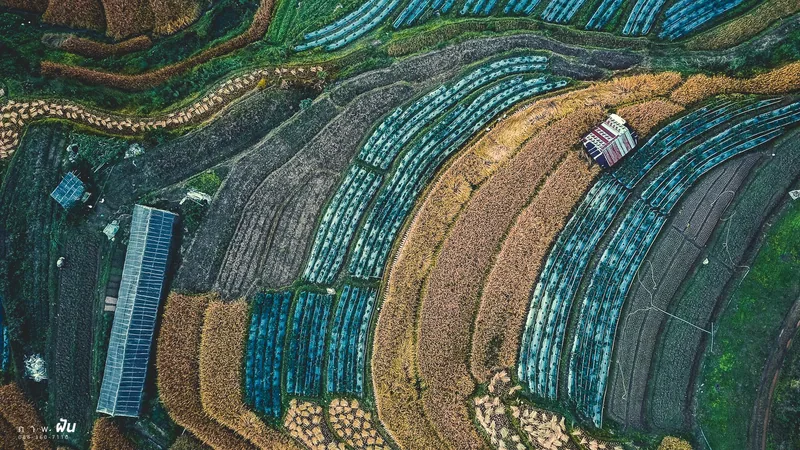
Farm and community products already have good stories — where they come from, who makes them and the care behind them — but those stories rarely reach the buyer.
I travel to the farm, orchard or community group, let the makers speak in their own words, film the journey from source to product, and tell buyers, partners or agencies why this product is special.
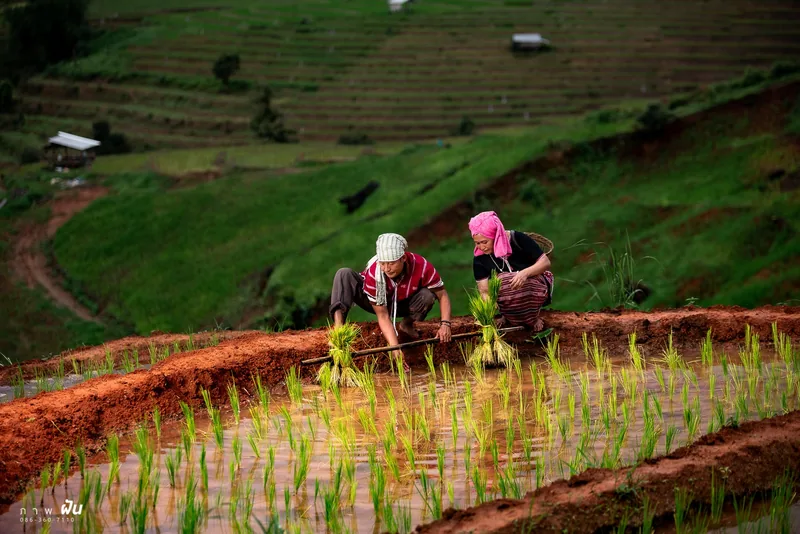
Quality work on a budget you understand · crew of 1–3, budget under control · Thailand-wide and abroad · travel is included in the quote, nothing added later
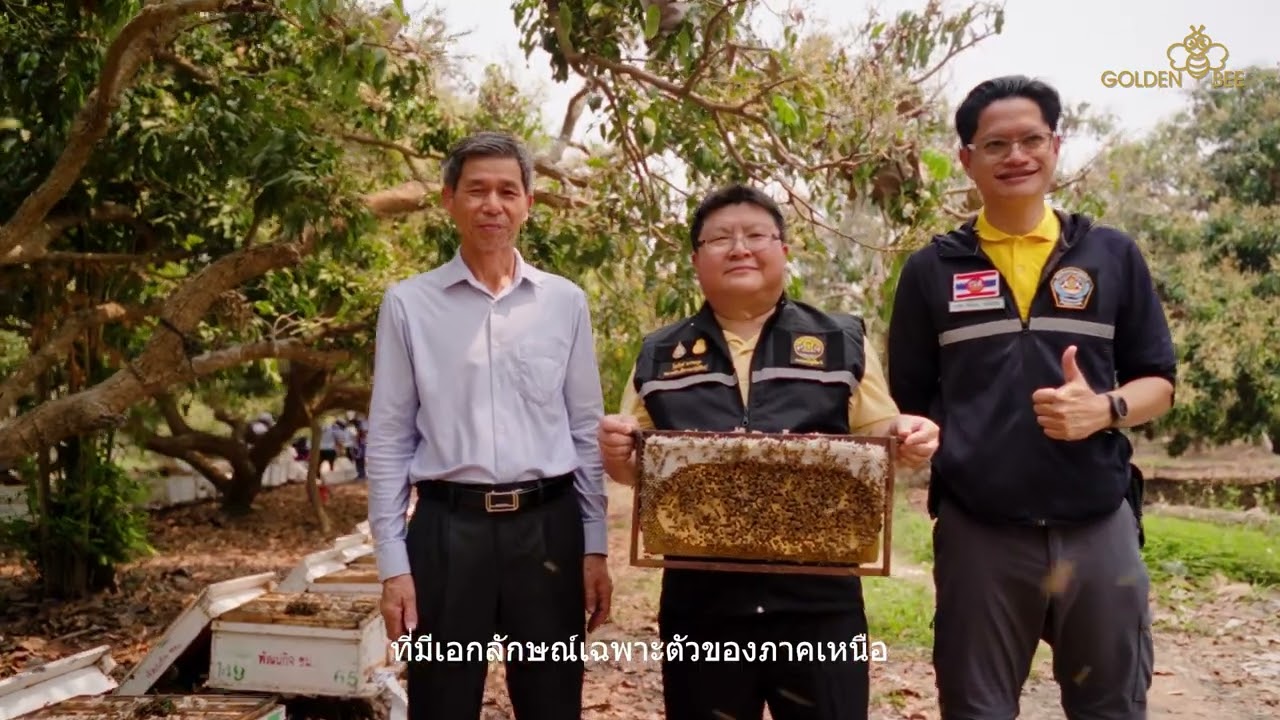
Golden Bee welcomes a Department of Livestock Development delegation — a working bee farm
Golden Bee welcomes a Department of Livestock Development delegation — the visit and the working bee farm on camera, so agencies and partners see the source with their own eyes.
Morefor your kind of brief
Golden Bee — beekeeping and production
Watch this if you want the journey told from source to product — Golden Bee
Model villages, Project 9-1 — Community Development Department
Watch this if it is a community project across several areas — Project 9-1 model villages, Community Development Department
Model silk project — Queen Sirikit Sericulture Department, for TV
Watch this if it is a craft or community product that has to go on air — the model silk project, Queen Sirikit Department of Sericulture
Flower-pounded fabric — community documentary, English subtitles, shown in France
Watch this if you want to take a community product abroad — the flower-pounded fabric documentary, English subtitles, shown in France




How I handle this kind of jobmore than pointing a camera
Farm and community work follows nature’s timing, and some scenes exist for only one season. So I ask about seasons and harvests before booking the shoot, then build the story around the source, the makers and the finished product.
The order things happen
Talk about the product and the season
I ask what makes the product stand out, who will watch, and when the place is most active and beautiful — flowering, harvest or processing.
Go on location and talk with the makers
I travel to the farm, orchard or community group and let farmers and local people tell it in their own words, with no script to learn.
Film the journey from source to product
The fields or the farm, the care along the way, the processing and the finished product — so buyers see why it is worth it.
Cut for each channel
A main film for trade fairs or partner pitches, short vertical clips for online sales, and English subtitles if you export.
Stillsshot on the same trip
Start with these 3 thingsI will help shape the approach and a first budget
You do not need every answer yet. Send what you know and we will fill in the rest together.
What product or farm is it, which province, and how many places do we need to film?
What is it for — online sales / trade fairs / pitching to partners / a project report for an agency?
Is there a season or harvest we must catch, and when do you need it?
Common questionsfor this kind of job
Our farm is in a remote province. Can you come?
Yes, I work nationwide and travel is included in the quote. Past work has covered communities in several provinces and remote areas.
Can you film when there is no harvest yet?
Yes, but the story changes. I suggest filming when there is real activity; if the timing does not fit, we tell it through the makers, the care and the finished product, or split the shoot into two visits by season.
Can you make a project report video for an agency?
Yes. I have worked for several community and agricultural agencies, help structure the content to cover the project, and provide the paperwork the agency requires.
How many revision rounds, and how do I get the files?
You review on an unlisted YouTube link with 3–5 rounds of changes as agreed, then the master files arrive by Google Drive. Music and sound are selected with rights that match the agreed channels.
How it worksfrom brief to delivered files
What sets the price, and common questionsAgree the brief
We talk about the audience, where the film will run, dates, locations and a rough budget, then set the scope together.
Get ready
A shooting schedule that's clear where it needs to be, and flexible where the day calls for it — because no two jobs are the same.
Finish it properly
Edit, grade and mix; review rounds as agreed (3–5), then master files on Google Drive.