Dream Image Club
Videographer
Dream Image Club
Videographer
WorkInterviews · testimonials · staff
Interview videosexecutives who hate cameras still look natural
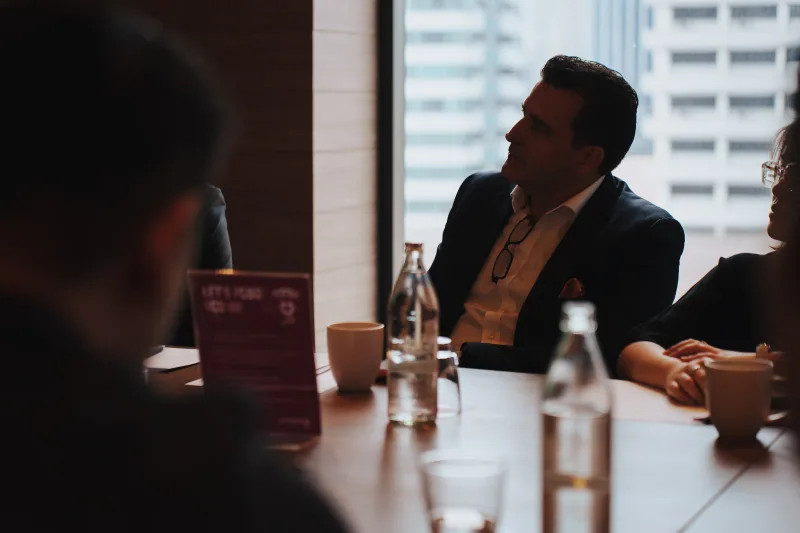
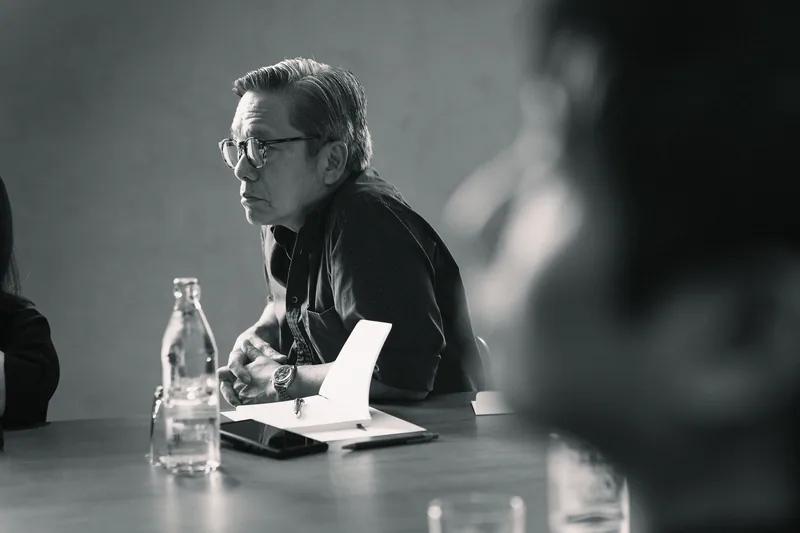
The boss is not a natural speaker, or has no time; you fear a dull talking head, muddy sound, and you are not sure whether a script is needed. What decides the result is not the camera but the first fifteen minutes that make them forget it is there. I talk the way we would over coffee, never a script to memorise, send the question outline in advance, and shoot on 2–3 cameras so the ums and ahs cut out without a jump. If time is truly short, 30–40 minutes is enough for a 2–3 minute piece.
Quality work on a budget you understand · crew of 1–3, budget under control · Thailand-wide and abroad · travel is included in the quote, nothing added later
Main piece
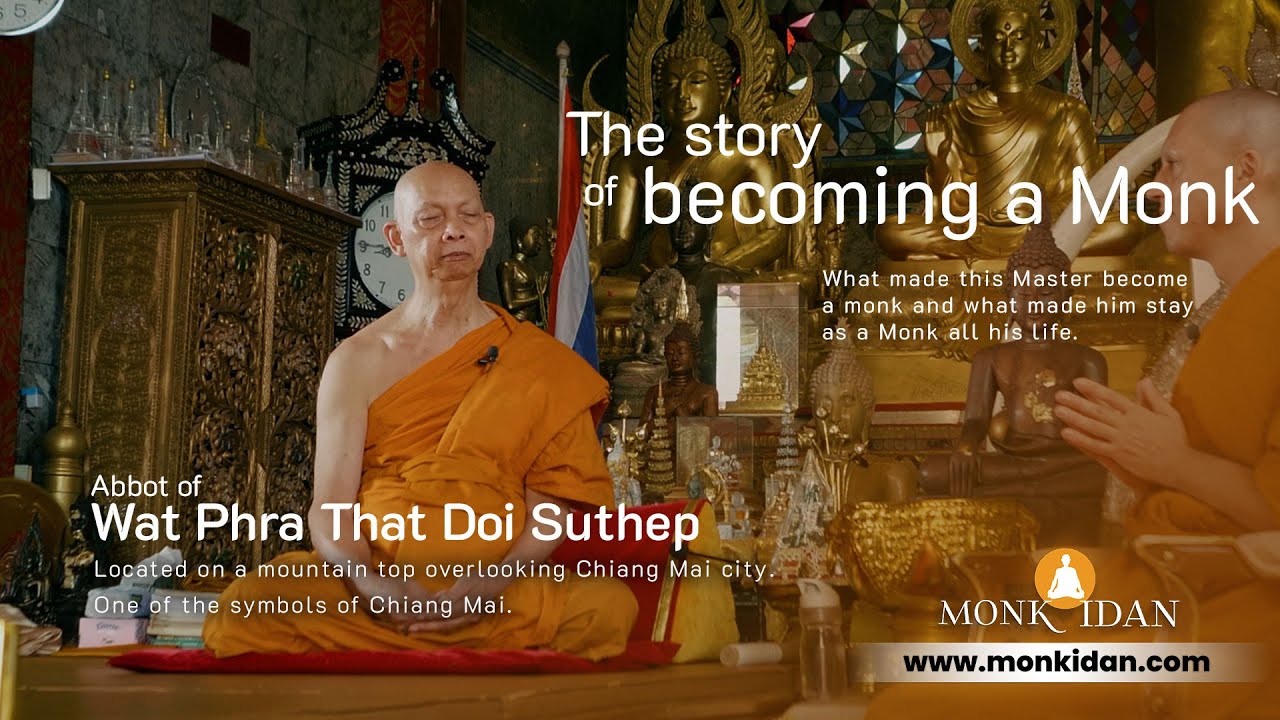
The abbot of Wat Phra That Doi Suthep — a natural interview
The life of the abbot of Wat Phra That Doi Suthep — a natural back-and-forth that feels more genuine than a podcast, because the attention stays on the person in front of the camera.
Morefor your kind of brief
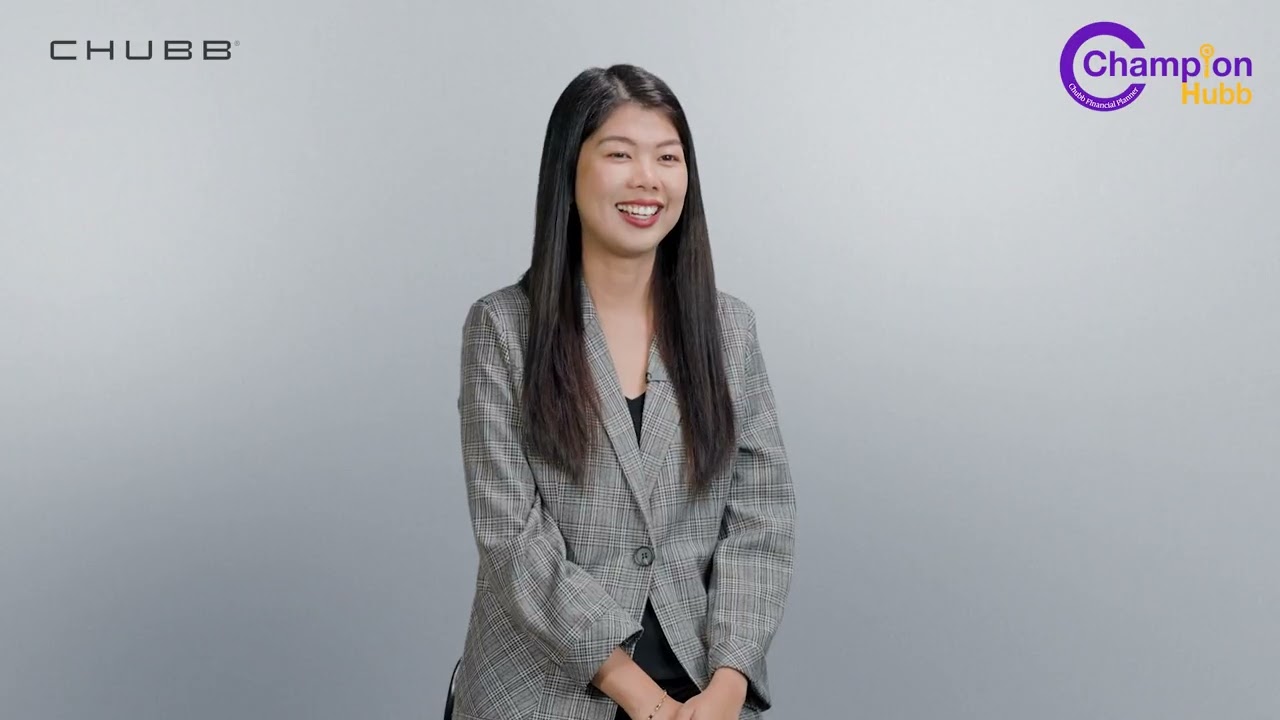
Interviews with successful employees
Watch this if it is an HR or employer-branding piece
Product intro and testimonial for Qashier
Watch this if you need testimonials from your own customers
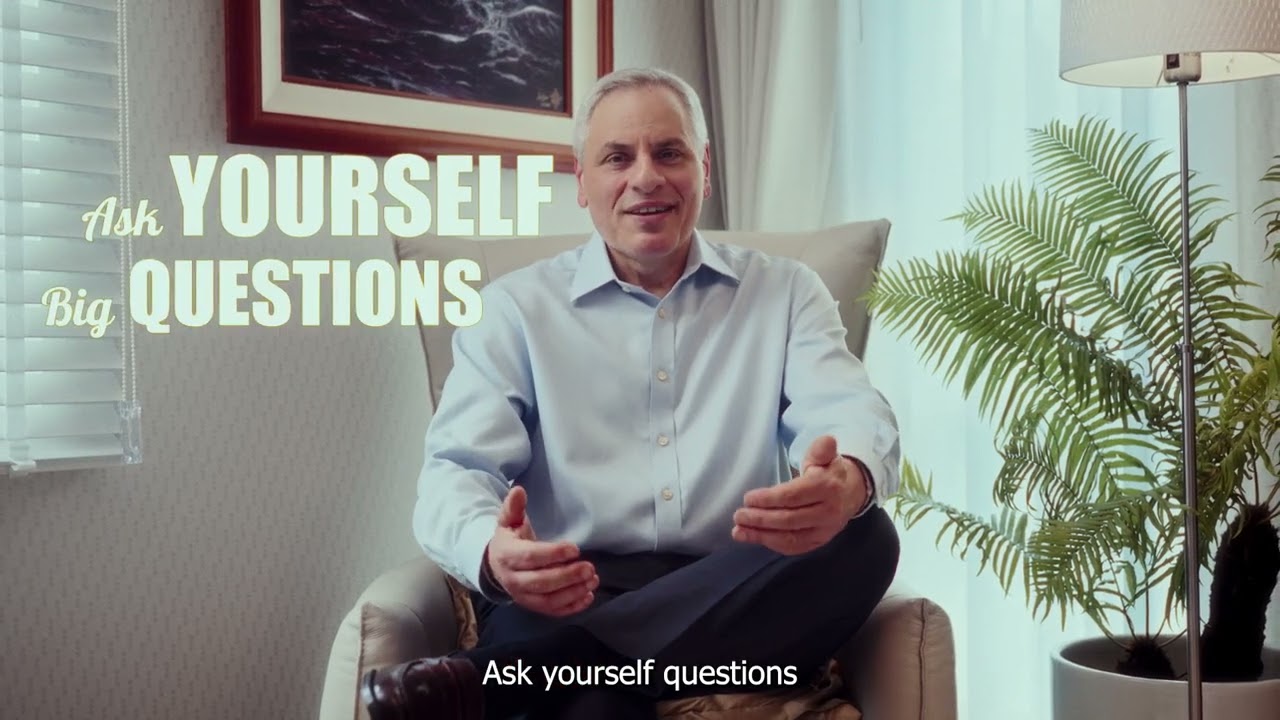
Career Coach EP.2 — to-camera, 3 cameras, lit
Watch this if it is a course, educational content or a foreign presenter — 3 cameras, lit

How I handle this kind of jobmore than pointing a camera
What decides an interview is not the camera but the first fifteen minutes that make the speaker forget it is there. So I send the line of questions in advance (not a script), and ask them myself to keep a rhythm that edits cleanly.
The order things happen
Tell me how many people, where they are, and where the film goes
Headcount and locations set the shooting days (different sites or days are priced per day); the channel — web, seminar, LinkedIn or vertical TikTok — sets length and aspect ratio.
Choose the format: Q&A, scripted piece to camera, or a two-person conversation
Q&A with the questions cut out is the most natural and quickest; a scripted piece suits wording that must be exact; a two-person conversation suits a story with two sides.
Two or three lit cameras, wireless mics, then talk like a normal conversation
Several angles let me cut the ums and ahs without a visible jump; wireless mics cover up to four speakers at once. If time is truly short, 30–40 minutes is enough for a 2–3 minute film.
Stillsshot on the same trip
Send me 3 thingsand I can give you a first estimate
Reply on LINE, or call — a few minutes is enough for a price range. No obligation.
How many people, and are they in the same place? (different places or days are priced per shooting day)
Which format — answering questions with the questions cut out / to-camera from a script / a two-person conversation?
How long should the final piece be, and where will it be used (web, seminar, LinkedIn, vertical TikTok)?
Common questionsfor this kind of job
Do we need to prepare a script?
No. I send the line of questions beforehand so they know the topics, then they answer in their own words. Read scripts tend to look stiff and cut worse.
The executive has only half an hour. Is that enough?
Enough for a 2–3 minute film. Lights and cameras are set before they arrive; the first fifteen minutes relax the conversation, the rest is usable material.
How many revision rounds, and how do I get the files?
You review on an unlisted YouTube link with 3–5 rounds of changes as agreed, then the master files arrive by Google Drive. Music and sound effects are properly licensed for every channel.
How it worksthe same on every job
What sets the price, and common questionsAgree the brief
We talk about the audience, where the film will run, dates, locations and a rough budget, then set the scope together.
Get ready
A shooting schedule that's clear where it needs to be, and flexible where the day calls for it — because no two jobs are the same.
Finish it properly
Edit, grade and mix; review rounds as agreed (3–5), then master files on Google Drive.