Dream Image Club
Videographer
Dream Image Club
Videographer
WorkResearch · medical · technology
Research and medical videosacademically correct, understood by everyone
The content is difficult and must be academically correct; the experts have no time; it has to make sense to the public or a grant committee, and sometimes it has to be in English. I treat this as work I must understand before I film: I read the papers and have a short talk with the researchers so I do not take up their time, decide what needs real footage and what needs graphics, build a three-layer outline — problem → method/technology → results and benefits — and always send the script for a correctness check before shooting.
Quality work on a budget you understand · crew of 1–3, budget under control · Thailand-wide and abroad · travel is included in the quote, nothing added later

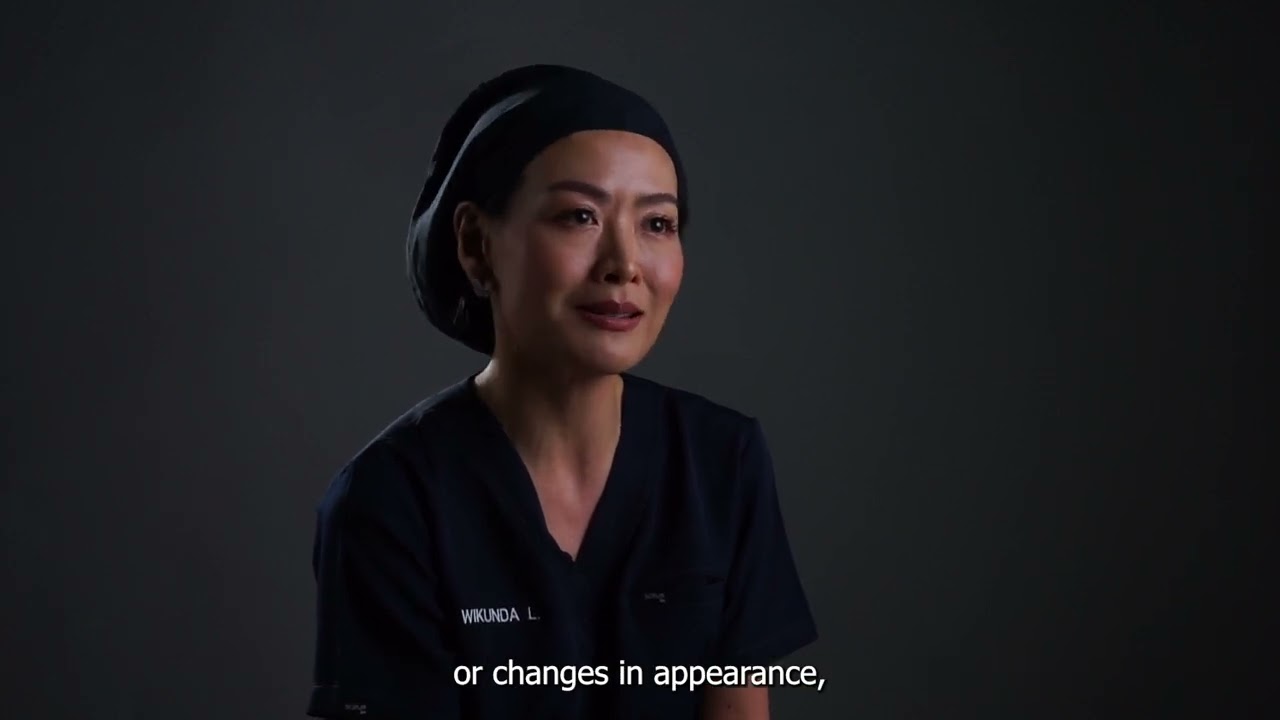
Main piece
Laser research for burn patients
A summary of advanced medical laser research for patients with burn scars — high-level medical content made understandable.
Morefor your kind of brief
A research introduction video
Watch this if you are a university or a research fund — a research introduction video
Corporate video — global medical-device manufacturer
Watch this if you are a medical company — a corporate video for a global medical-device manufacturer

How I handle this kind of jobmore than pointing a camera
Research is hard to convey and must be academically correct, yet the audience may be a grant committee or the general public. I use a three-layer structure — problem → method/technology → results and benefit — and the script goes to the researchers for checking before every shoot.
The order things happen
Send the abstract or slides first
I read first, then book a short call with the researchers so as not to take their time; the questions are only what the paper cannot answer.
Tell me who watches
A grant committee, an academic conference, the public, or an overseas audience (English or subtitles) — the register and depth differ greatly.
Separate what can be filmed from what needs graphics
Labs, instruments and consenting patients can be filmed; cellular mechanisms and numerical data are explained with graphics.
Script approved before the shoot
Researchers verify every sentence before filming, so nothing is reshot over an academic slip — the way the laser study for burn patients was made.
Send me 3 thingsand I can give you a first estimate
Reply on LINE, or call — a few minutes is enough for a price range. No obligation.
The abstract, slides or a summary document (I read first, then book a short call with the researchers to save their time)
Who is watching — a grant committee / an academic conference / the general public / abroad (in English, or subtitled)?
Is there something real to film (a lab, equipment, consenting patients), or will graphics carry most of the explanation?
Common questionsfor this kind of job
The researchers have very little time
I take as little of their time as possible: read the material first, one short call, the script by email for checking, and a 30–40 minute interview at their convenience.
It has to be in English
Both English narration and subtitles are possible; the English script goes for terminology checking exactly as the Thai one does.
How many revision rounds, and how do I get the files?
You review on an unlisted YouTube link with 3–5 rounds of changes as agreed, then the master files arrive by Google Drive. Music and sound effects are properly licensed for every channel.
How it worksthe same on every job
What sets the price, and common questionsAgree the brief
We talk about the audience, where the film will run, dates, locations and a rough budget, then set the scope together.
Get ready
A shooting schedule that's clear where it needs to be, and flexible where the day calls for it — because no two jobs are the same.
Finish it properly
Edit, grade and mix; review rounds as agreed (3–5), then master files on Google Drive.