 Dream Image Club
Videographer
WorkPodcasts · talk shows · studio interviews
Video podcaststalk shows and studio interviews
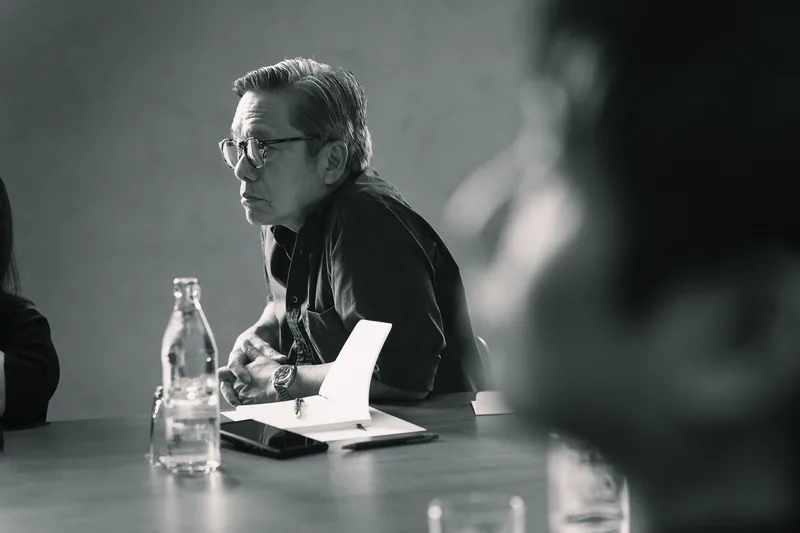
A talk show worth watching needs every word clear, the faces of both the speaker and the listener, and several short clips cut from a single recording.
I set several cameras for a wide shot and a close-up of each person, record every voice clearly, light faces well for the whole conversation, then cut the full episode plus vertical clips for social. Episodes are recorded, then carefully edited.
Quality work on a budget you understand · crew of 1–3, budget under control · Thailand-wide and abroad · travel is included in the quote, nothing added later
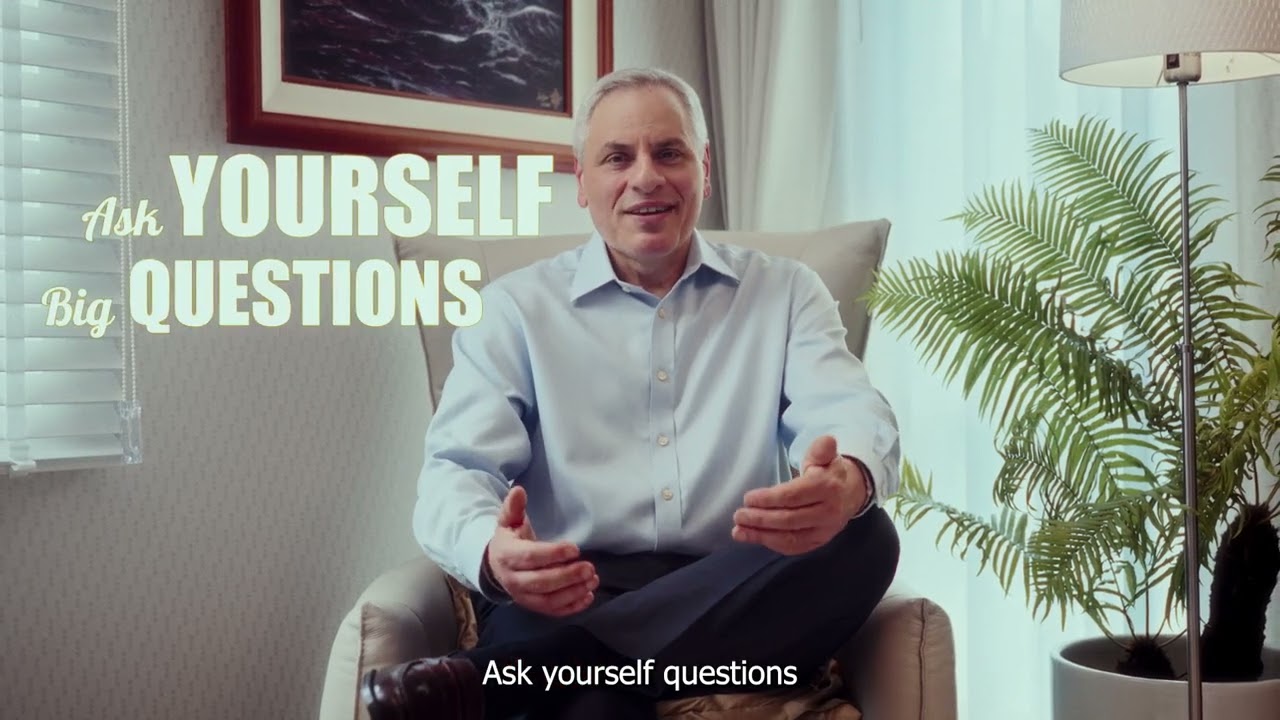
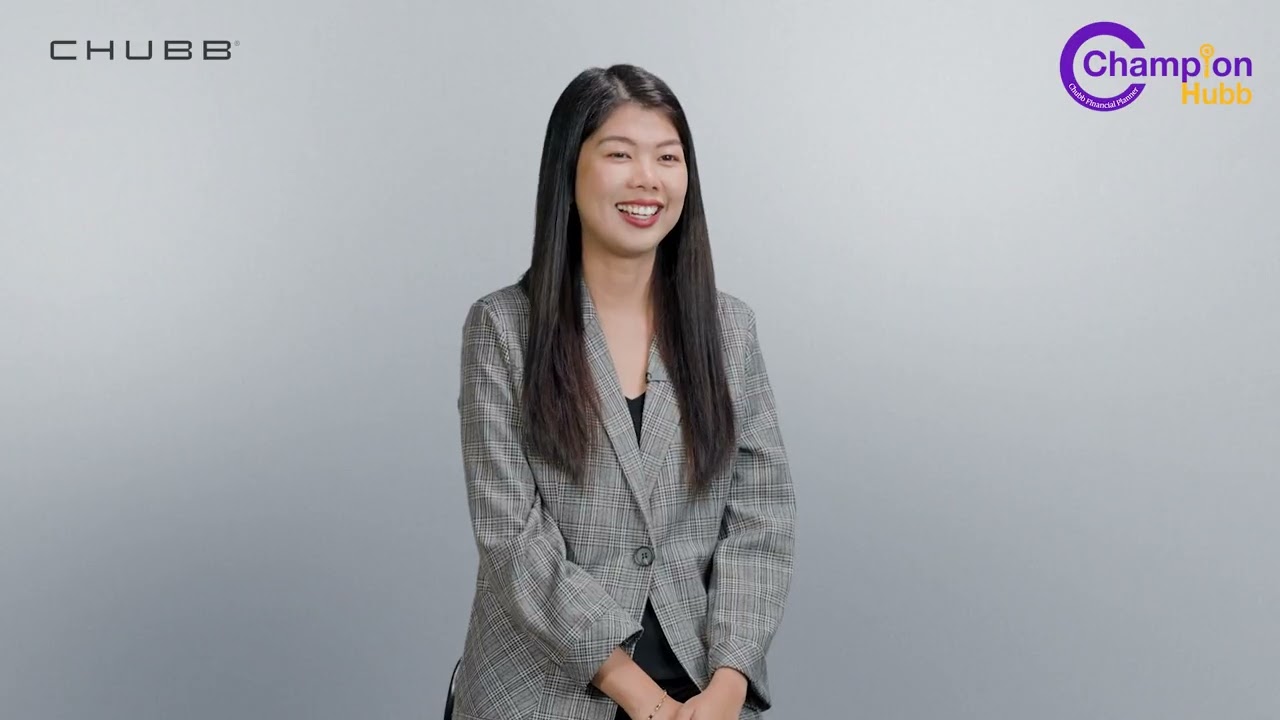
Career Coach EP.2 — to-camera, 3 cameras, lit
Career Coach EP.2 — an educational show with the presenter speaking to camera, three cameras, lit, with English subtitles. A podcast as such is not on the site yet; this is the closest example of multi-camera, voice-led work.
Morefor your kind of brief
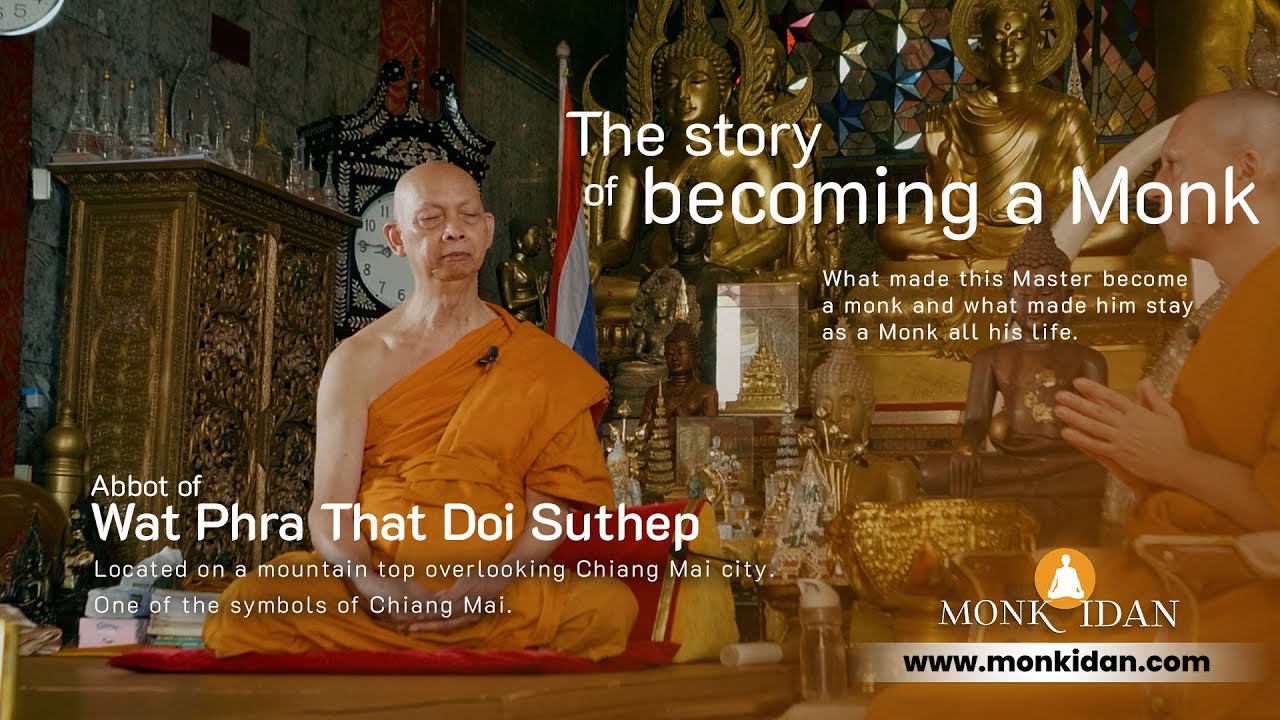
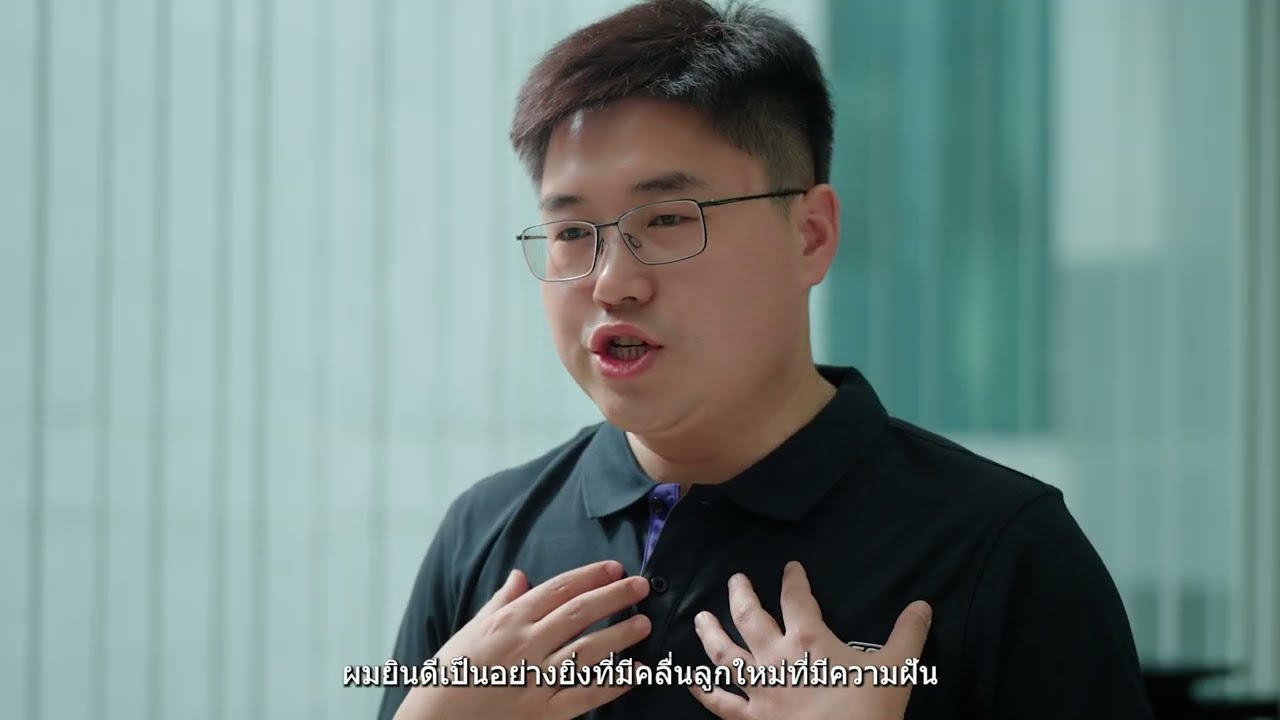
The abbot of Wat Phra That Doi Suthep — a natural interview
Watch this if you want a natural conversation centred on the person in front of you — the life of the abbot of Wat Phra That Doi Suthep
Interviews with successful employees
Watch this if there are several guests, each with their own story — staff interviews
Vivo 10th anniversary — told through interviews
Watch this if you need a long episode people still watch to the end — an anniversary film of over ten minutes
How I handle this kind of jobmore than pointing a camera
A video podcast differs from an ordinary interview: it runs long and has to be cut several ways. So I set cameras, sound and light steady enough to record several episodes in a day, then cut both full episodes and short clips.
The order things happen
Agree the show format
The number of people per episode, the length and the tone decide the cameras and the set. If you have no room yet, I can advise which kind sounds good and looks good on camera.
Set cameras, sound and light
One wide angle and a close-up of each person, a microphone for everyone, and light that keeps faces looking good throughout. Set once, then record episode after episode.
Record several episodes in a day
I keep an eye on time and pace during recording so the hosts can focus fully on the conversation, and pick up extra footage where it is needed.
Cut full episodes and short clips
Full episodes for YouTube, vertical clips of the best moments for social, and audio files for podcast platforms — reviewed on an unlisted link before release.
Start with these 3 thingsI will help shape the approach and a first budget
You do not need every answer yet. Send what you know and we will fill in the rest together.
What is the show about, and how many hosts and guests per episode?
How many episodes per recording day, and do you already have a room or studio?
What do you need per episode — the full episode / vertical short clips / audio only — and where will it go?
Common questionsfor this kind of job
We have no studio. Can we record at the office?
Yes. A meeting room or a corner of the office works; I take care of echo and light. All it needs is a room that can be kept quiet while we record.
Can we record several episodes at once?
Yes, and it is better value than one at a time, because cameras and lights are set only once. Tell me how many episodes and when each guest is free, and I will plan the order.
Can you stream it live?
My work is recorded and then edited: I trim what is not needed, add subtitles and graphics, and you publish finished episodes with short clips.
How many revision rounds, and how do I get the files?
You review on an unlisted YouTube link with 3–5 rounds of changes as agreed, then the master files arrive by Google Drive. Music and sound are selected with rights that match the agreed channels.
How it worksfrom brief to delivered files
What sets the price, and common questionsAgree the brief
We talk about the audience, where the film will run, dates, locations and a rough budget, then set the scope together.
Get ready
A shooting schedule that's clear where it needs to be, and flexible where the day calls for it — because no two jobs are the same.
Finish it properly
Edit, grade and mix; review rounds as agreed (3–5), then master files on Google Drive.