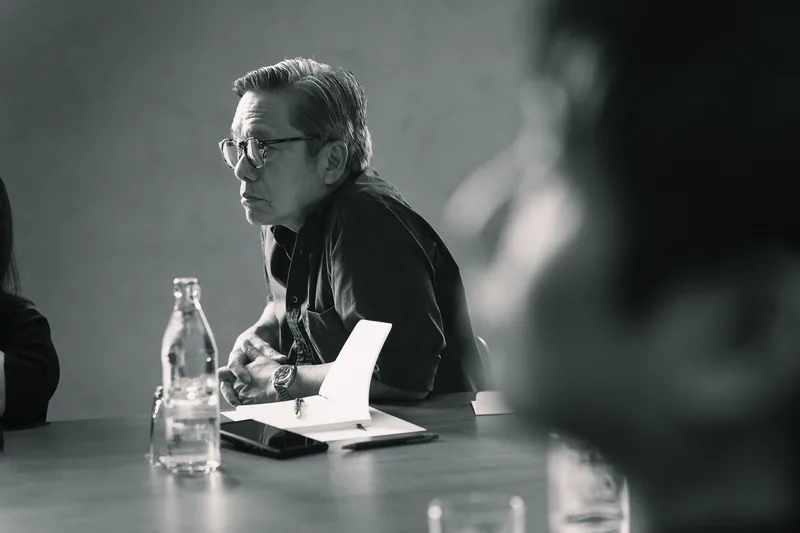
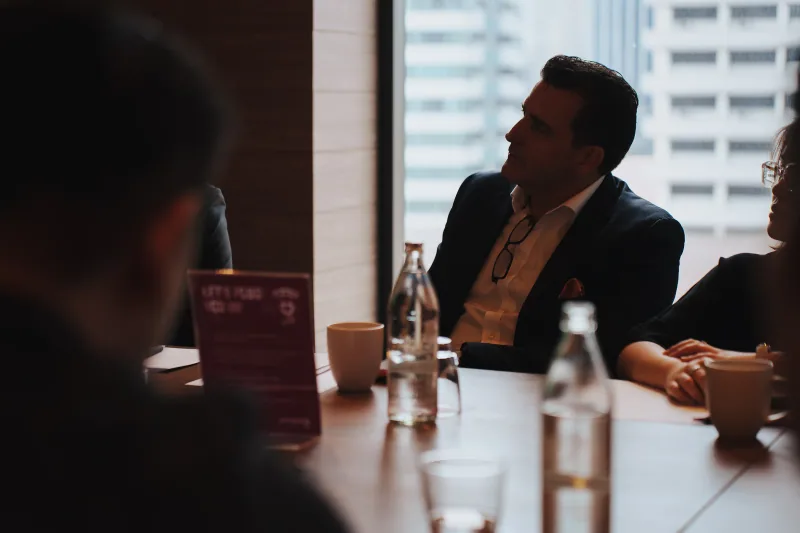
 Dream Image Club
Videographer
WorkTraining · online courses · factory safety
Training videosonline courses and factory safety
Training content tends to be long and dense, the trainer is rarely at ease on camera, and every safety step has to be right, because viewers will actually follow it.
I help split the material into short lessons that can be watched one topic at a time, film the trainer so they speak naturally, and shoot each on-site step so the hands, the equipment and the danger points are clear. Before filming, your own specialists always check the script for accuracy.
Quality work on a budget you understand · crew of 1–3, budget under control · Thailand-wide and abroad · travel is included in the quote, nothing added later

Confined-space work demonstration
A demonstration series on working in confined spaces — work where the equipment and the order of steps must be clear, so viewers understand the method from real footage.
Morefor your kind of brief
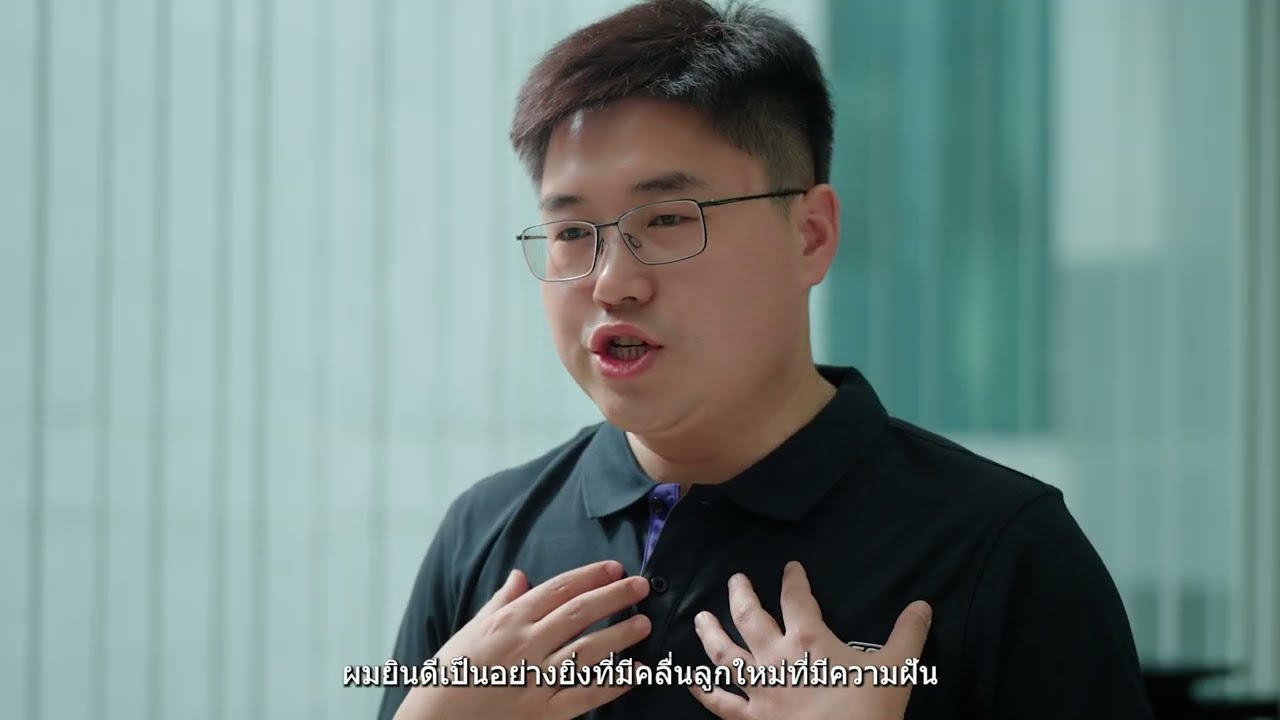
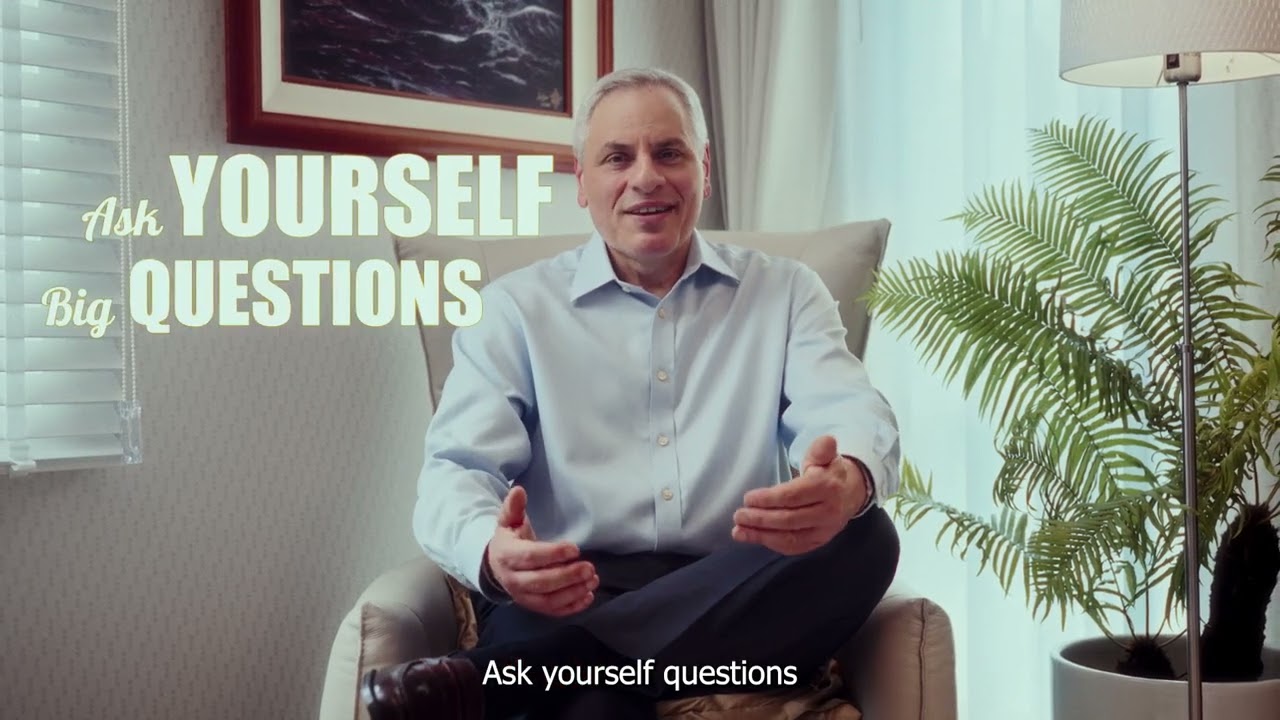
Career Coach EP.2 — to-camera, 3 cameras, lit
Watch this if it is an online course or a trainer speaking to camera — 3 cameras, lit, English subtitles
Passenger-coach safety system — Eagle the Tour
Watch this if you need to explain a safety system to the people who use it — a passenger-coach safety system
A research introduction video
Watch this if the content is technical or academic and has to make sense to a general audience


How I handle this kind of jobmore than pointing a camera
A good training video is measured not by its length but by whether viewers can then do the task correctly. So I start by asking who will watch, where, and what they must be able to do afterwards, then split the content into lessons that can each be watched in one sitting.
The order things happen
Read the existing material, then split it into lessons
Send the manual, slides or current procedure. I divide it into short lessons with one clear goal each, then draft the narration and shot order for you to see first.
Your specialists check the script before filming
Safety and technical steps must be right, so the person responsible always checks the script, and a guide on site keeps the crew in safe positions.
Film the trainer and the real steps
The trainer speaks to camera with several angles for a smooth edit; on-site steps are filmed close so hands, tools and danger points are visible, with on-screen text marking the key moments in the edit.
Deliver a set ready to use
You review on an unlisted link, then receive each lesson as its own file with subtitles, ready for your training system, an online course platform or a meeting-room screen.
Start with these 3 thingsI will help shape the approach and a first budget
You do not need every answer yet. Send what you know and we will fill in the rest together.
What is the training about, and who watches it — new staff / technicians on site / customers / online learners?
Do you already have material or documents, and how many lessons do you want, roughly how long each?
Where do we film (classroom, office, work site), and when do you need it?
Common questionsfor this kind of job
Our trainer is not comfortable on camera. What then?
No script to memorise. I have them speak in short sections, or use questions and answers with the questions cut out. If they would rather not appear at all, narration over real footage of the steps works too.
Can you film in a plant with strict safety rules?
Yes. I wear the protective equipment your site requires, follow your guide, and plan camera positions in advance so we never block the work or enter unsafe zones.
Can you add subtitles for staff who speak other languages?
Yes. Tell me the languages at the start and I will allow time and screen space so the subtitles read easily. Past work has included English and Chinese subtitles.
How many revision rounds, and how do I get the files?
You review on an unlisted YouTube link with 3–5 rounds of changes as agreed, then the master files arrive by Google Drive. Music and sound are selected with rights that match the agreed channels.
How it worksfrom brief to delivered files
What sets the price, and common questionsAgree the brief
We talk about the audience, where the film will run, dates, locations and a rough budget, then set the scope together.
Get ready
A shooting schedule that's clear where it needs to be, and flexible where the day calls for it — because no two jobs are the same.
Finish it properly
Edit, grade and mix; review rounds as agreed (3–5), then master files on Google Drive.