 Dream Image Club
Videographer
Dream Image Club
Videographer
Step 3 of 5
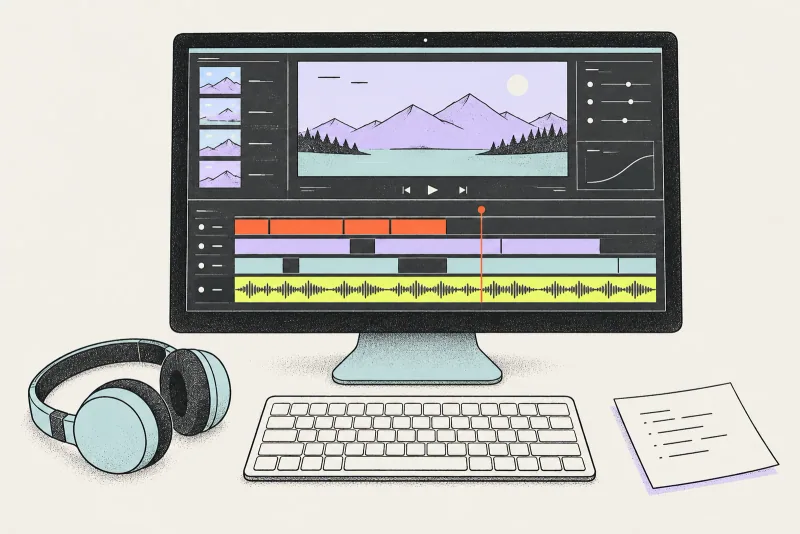
Editing to the outline we built together
I cut to the outline and script we agreed in the planning step, so the work does not wander. You review it on a private YouTube link, usually with 3–5 free rounds of changes within the agreed direction — and wherever a problem might come up, I tell you as we go.
Comes in from the step before
Picture and sound covering the script
Goes on to the next step
The cut you have approved
What I do at this step
Selecting and ordering
Choosing the best moments from the footage, ordering them along the outline, and finding the rhythm that carries viewers to what you want to say.
Tightening what people say
With interviews shot on several cameras, the ums, ahs and long stretches can come out without the picture jumping.
Review on a private YouTube link
You can watch on a phone or a computer, pass the link to your team, and send feedback back round by round.
Several versions from one shoot
A full version, a short one, a vertical cut for ads, English or Chinese subtitles — all from the same footage, if planned from the start.
Raising problems before delivery
If a section is short of footage, or the content may not land as intended, I say so along the way — not at delivery.
What you prepare
- All feedback from everyone gathered into one list per round
- The time in the clip for each change, so it lands in the right place
- Logos, on-screen text and the exact spelling of names
- Subtitles or languages needed, if there are foreign viewers
- The date you actually need it
What comes out of it
- A review link for each round
- An approved cut, ready for colour and sound
- The versions and lengths we agreed
What to watch for
Feedback arriving one person at a time
When several people send comments at different times, rounds run out fast and some notes contradict each other. Gathering them into one list first helps a lot.
Changing direction midway
Changes should stay within the direction we planned. If you want a new structure or tone, tell me as early as possible so we can talk about what it means for time and the work.
Rush jobs
Rush jobs are possible, and I will say plainly what fits the time and what does not. Narration over pictures cuts much faster than people speaking on camera.
From real jobs

Related types of work
Have a job in mind?
Send what you know — it does not need to be complete. I will help shape the approach and a first budget.