 Dream Image Club
Videographer
Dream Image Club
Videographer
Step 1 of 5
Ideas and planning, before the camera rolls
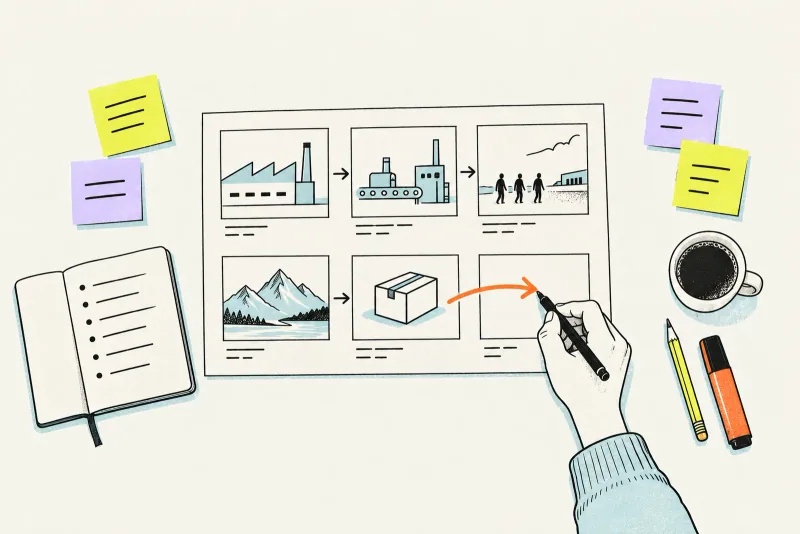
We are each expert in different things, so this step exists to make sure we see the same picture before anything starts. I listen to what you want to say and who will watch, then help build the outline, turn it into a script and translate the script into shots — so the result is as close as possible to what you need.
Comes in from the step before
Not sure yet what kind of video you need? Start here — many clients do.
Goes on to the next step
A shooting script that says who to film, where, on which day and at what time
What I do at this step
A six-point brief
I ask about six things: how many clips and how long · your company, product or the story to tell · who is watching and what should happen after they finish · whether you already have an idea or a script · how it is presented — a host, music only, narration, interviews or an executive speaking · and the tone — warm, formal, modern, fun, serious, documentary, news-like or film-like. A few minutes of talk is enough for both of us to go away and think.
Options before you decide
Each platform suits a different length and number of clips, and the way it is presented and its tone both affect the budget. So I lay out options with a first price before you commit. If you send a video or picture you like, we understand each other much faster.
Building the outline
You sketch the main topics you want to cover — company history, vision, machinery, maintenance, people — or, for a story, the problem, the solution, the technology behind it, the people who believe in your work, and a closing invitation to come and see for yourself. I help decide what to merge, split or drop and whether it fits the time, then add sub-topics so the structure is clear.
Turning it into a script
The more detail you give on each topic, the better I understand what the product or story really is and how to film it so the feeling or the strengths come through. I then condense it into a script for you to check. If you have no idea or script yet, I can help from the very beginning.
Turning the script into shots
Once the script is approved, I turn it into a list of shots — or a detailed shooting script when the job needs one. For example: this machine must be shown clearly, so does it need space or moving? Or: this plant is out of season and cannot be filmed — what would you like to do? This tells us what to shoot, where and when, so you can plan locations and people in time.
What you prepare
- Your company, product, service or the story you want told
- Who is watching, and what you want them to do after they finish
- Where it will be used, how many clips, roughly how long, vertical or horizontal
- An idea or a script if you have one — if not, I can help
- One or two videos or pictures you like
- Photos of the places to be filmed, if you can take them
What comes out of it
- Options with a first price
- An outline of main and sub-topics
- A script you have checked and approved
- A shot list or shooting script: who, where, which day, what time
What to watch for
Wanting to include everything
Clients often want to include everything, but viewers remember very little. Decide first what you most want people to remember, and let everything else support it.
Several decision-makers
If several people must approve, let all of them see the outline and script at this step. A lip-mask advert I made had two decision-makers in two different countries, and it caused a lot of problems. Agreeing early helps a great deal.
Limits on what can be filmed
Seasons, permissions or machines that cannot be moved should come up while turning the script into shots — not on the shooting day.
Tone and presentation change the budget
A host, actors or several locations can change the budget a lot. Tell me your rough budget plainly and I will shape an approach that fits it.
From real jobs


Related types of work
Have a job in mind?
Send what you know — it does not need to be complete. I will help shape the approach and a first budget.